Northern Ireland drone survey services
Roof Condition Assessments in Northern Ireland
Roof condition assessments across Northern Ireland.
What roof condition assessments involves
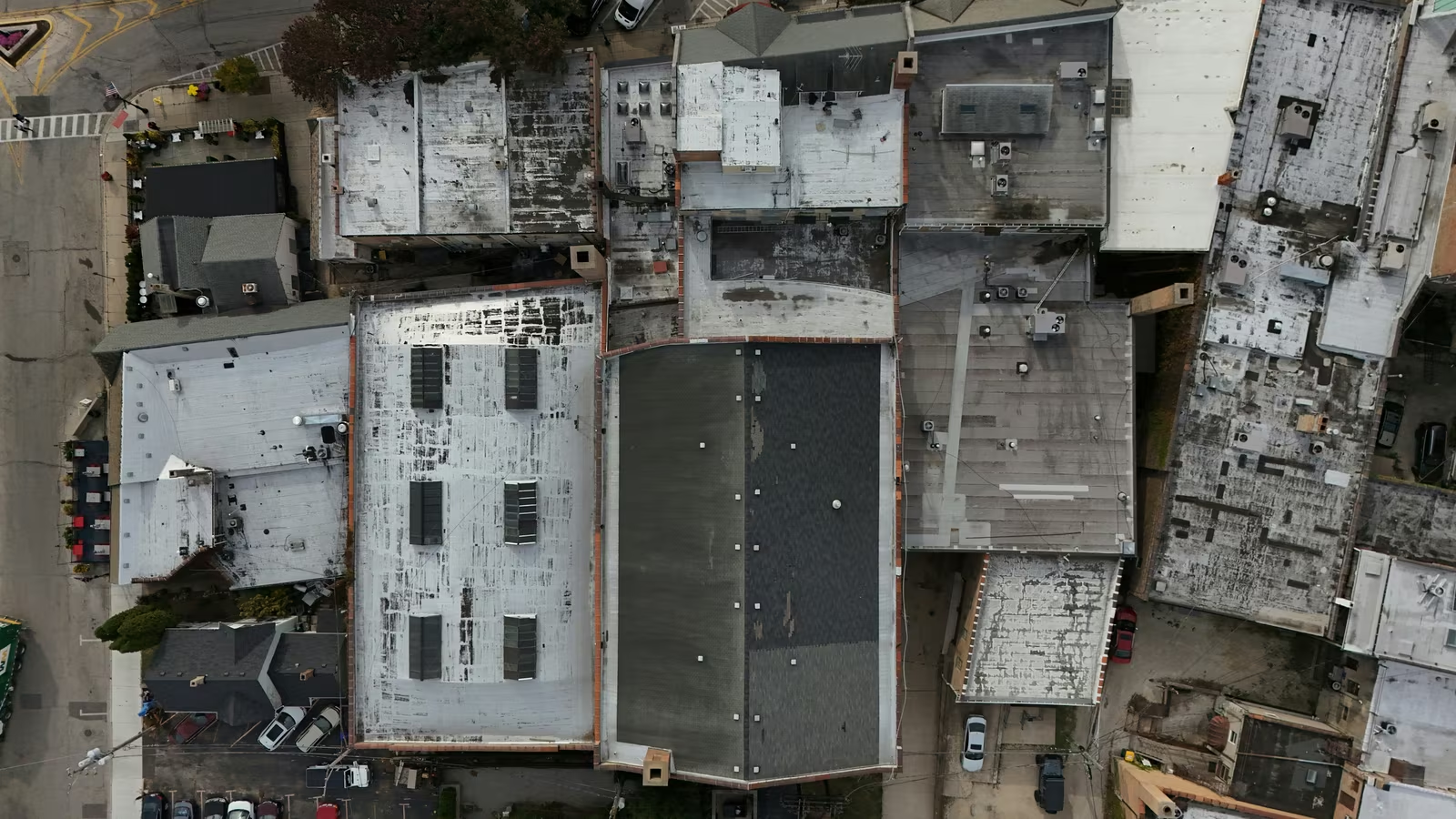
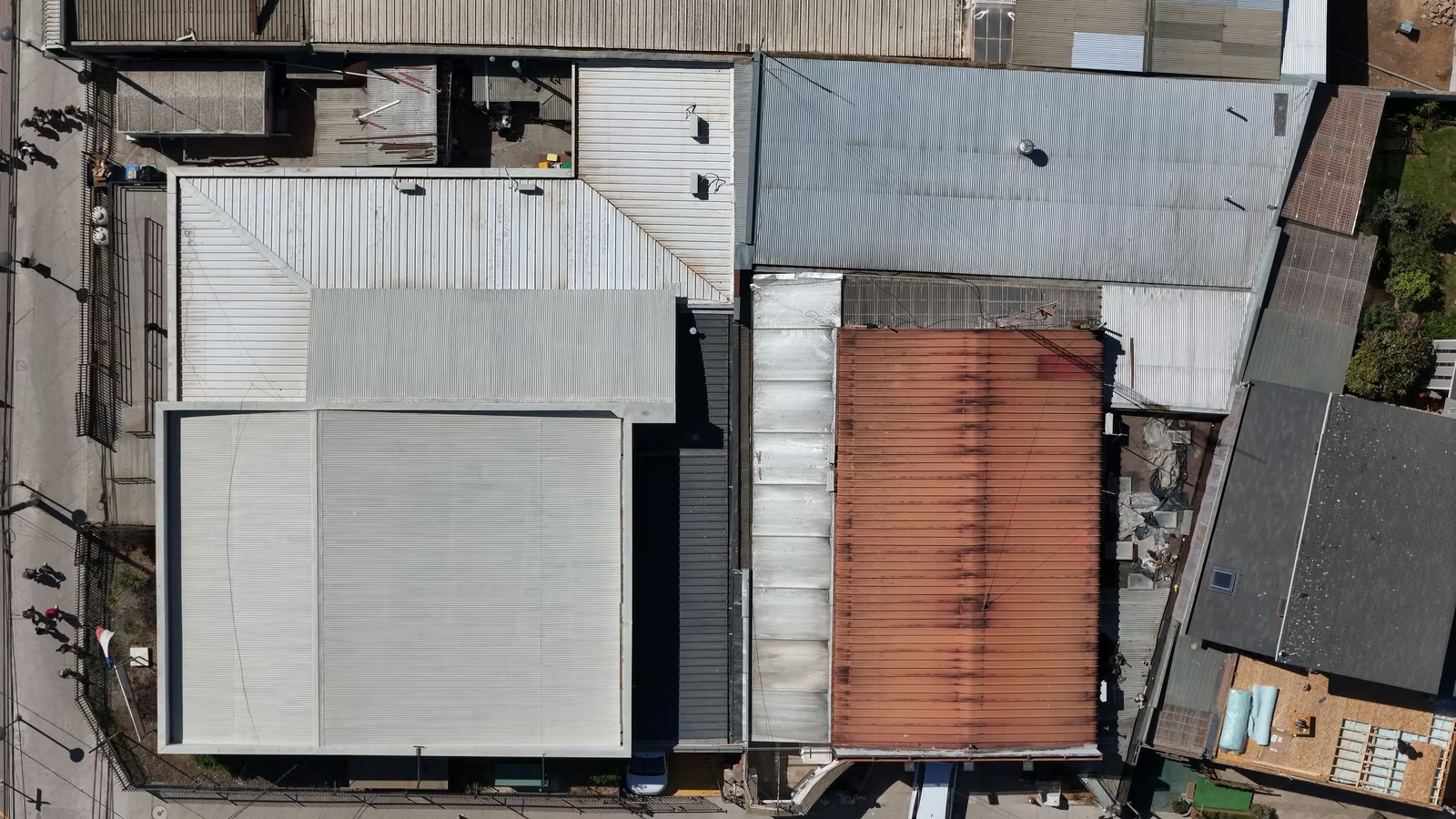
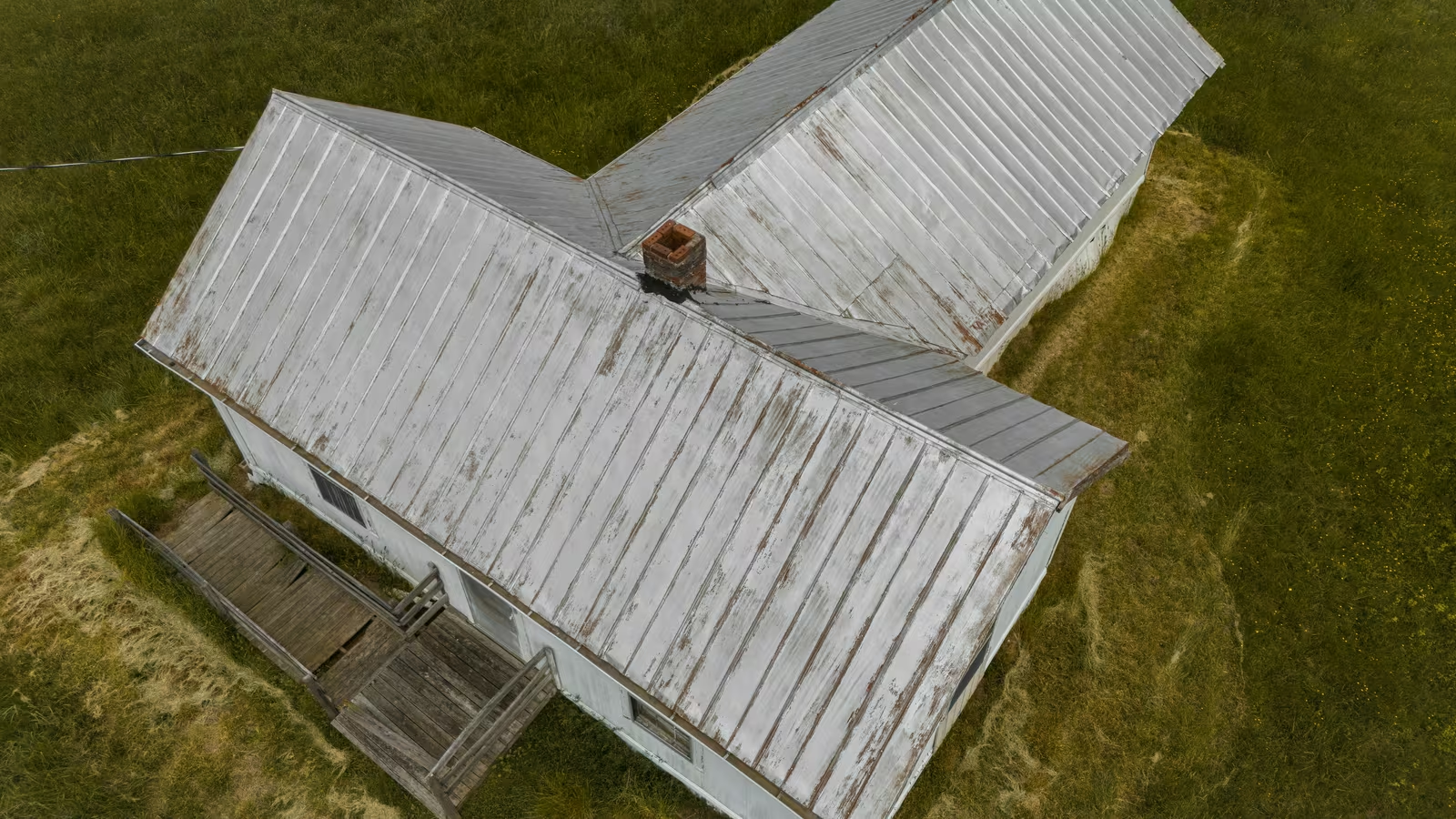
A roof condition assessment looks at the whole roof as a set of parts, each with its own state of wear. Using drone imagery, the specialist works through the covering, ridges, valleys, chimneys, flat sections, gutters and rainwater goods, then grades how each is holding up and when it is likely to need attention.
It is a good fit for landlords planning maintenance across a few properties, owners of churches, schools or commercial buildings with large or high roofs, and householders who want a sensible picture of what lies ahead rather than waiting for the next leak. You book a roof condition assessment at a set price based on the building, and a specialist carries it out from the air.
Roof Condition Assessments at a glance
roof condition assessments specialists cover Northern Ireland.
What makes enquiring simple across Northern Ireland
- Prices set out on paper. The specialist firm confirms the set price in writing when you book.
- Findings you can keep. Written findings with aerial images, ready to share with a roofer or buyer.
- Pilots who know the area. Specialists who fly regularly across Northern Ireland and understand its weather and buildings.
- Your call, your timing. Check the price, take your time, and book without anyone chasing you.
Book your aerial survey
Send the address and what you want seen from above. A local specialist will confirm the details, fly the site and send you the findings.
How roof condition assessments works with us
Building details
You give the type, size and roof layout at booking so the specialist can plan the flight pattern.
Systematic capture
The drone records each roof element in turn, from ridge to eaves and across every flat area.
Condition rating
The specialist grades every element for wear and notes where defects are already showing.
Priority report
You receive the ratings with images and a list of items ranked by how soon they need attention.
Could this be right for your building?
- Landlords setting a repair budget for the coming years
- Owners of a roof that is thirty or more years old
- Managing agents responsible for flats or shared buildings
- Church or community halls with high, hard-to-reach roofs
- Commercial units with large flat or profiled sheet roofs
- Anyone who has had patch repairs and wants the full picture
Looking after it afterwards
- Keep the report and imagery safe; they are your baseline for any future sale, remortgage or insurance conversation.
- After any notable storm, compare the roof against the report's photographs rather than relying on a glance from the ground.
- Have gutters and roofline cleared on a regular cycle; standing water is behind a lot of the damage surveys find.
- Act on the small items in the report before they become the big ones; lifted slates are cheap to refix and expensive to ignore.
How the grading works
Element by element
Rather than one overall verdict, each part of the roof is rated on its own. A sound slate covering with a failing valley is shown as exactly that.
Planning repairs in order
The findings separate items that need doing soon from those that can wait. That makes it easier to spread costs and brief a roofer on priorities.
A baseline for later
The images form a record of the roof on a known date. Flying again in a few years shows how quickly wear is progressing.
Roof Condition Assessments across Northern Ireland
A specialist takes on roof condition assessments work in Antrim · Ballymena · Ballymoney · Banbridge · Bangor · Belfast · Carrickfergus · Coleraine, plus many more areas throughout Northern Ireland, from city terraces to farm buildings along the coast.
Related drone survey services
Every survey follows the same honest order: plan the flight around the property and the weather, capture the roof and roofline from every angle the law and the sky allow, then report what was found in writing, with the imagery attached.